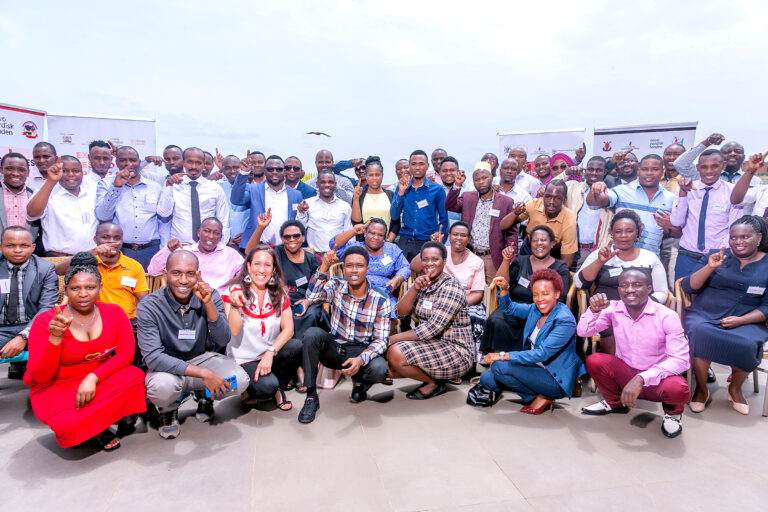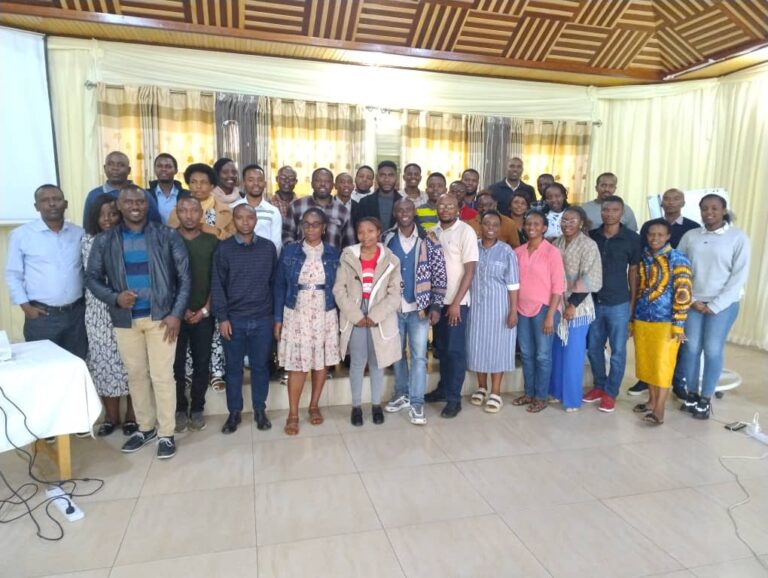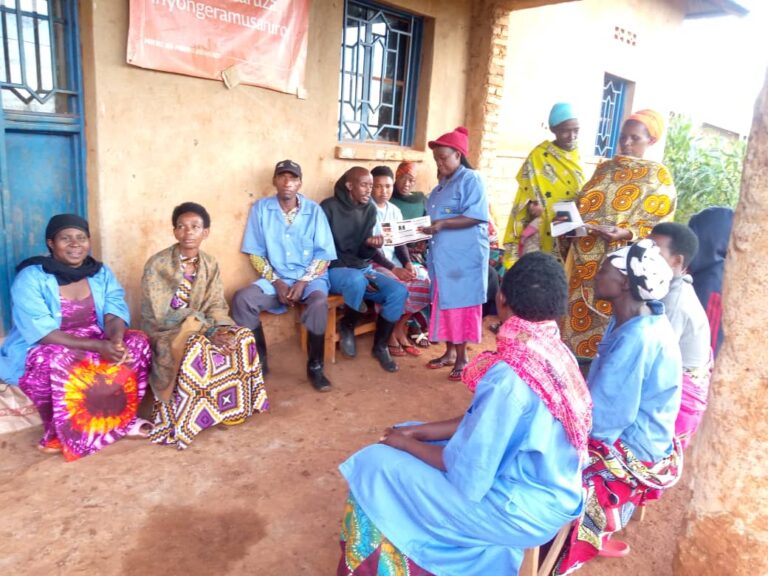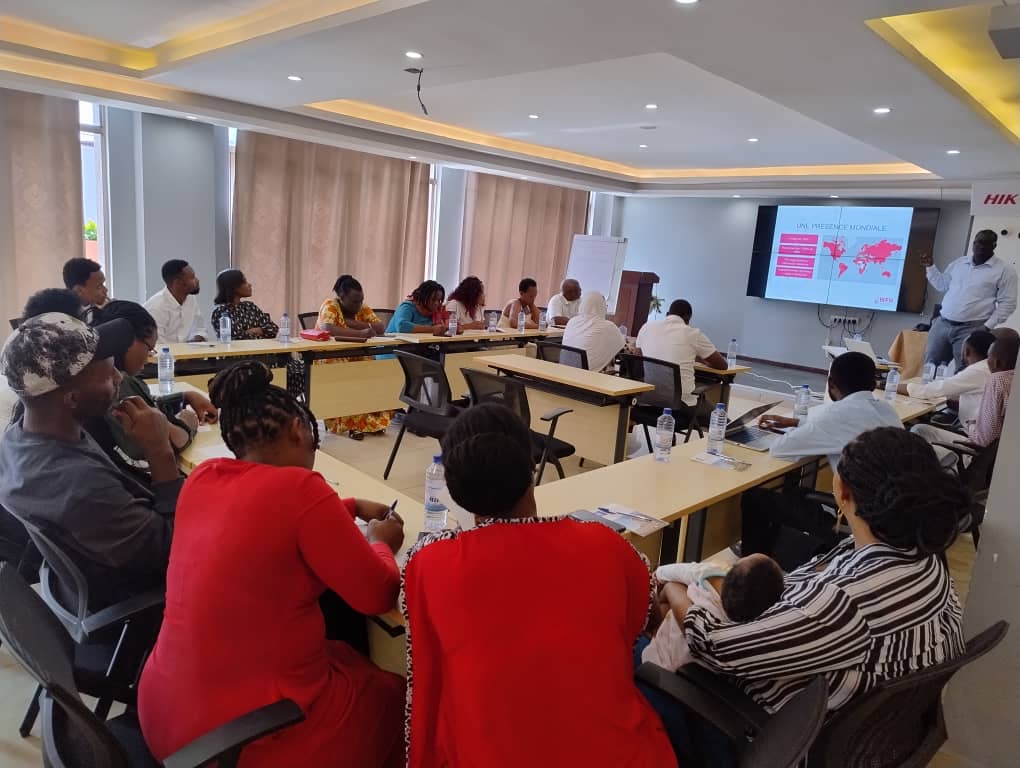
On 09th June 2024 Rwanda Fraternity Against Hemophilia (RFH) organized a highly successful training session aimed at parents and patients affected by hemophilia. The focus of the training was twofold: to empower families with knowledge about hemophilia and its management and to introduce innovative strategies for identifying new patients, specifically utilizing the concept of the family tree. The training session was attended by a diverse group of participants eager to enhance their understanding of hemophilia and contribute to the identification of individuals who may benefit from early intervention and treatment.
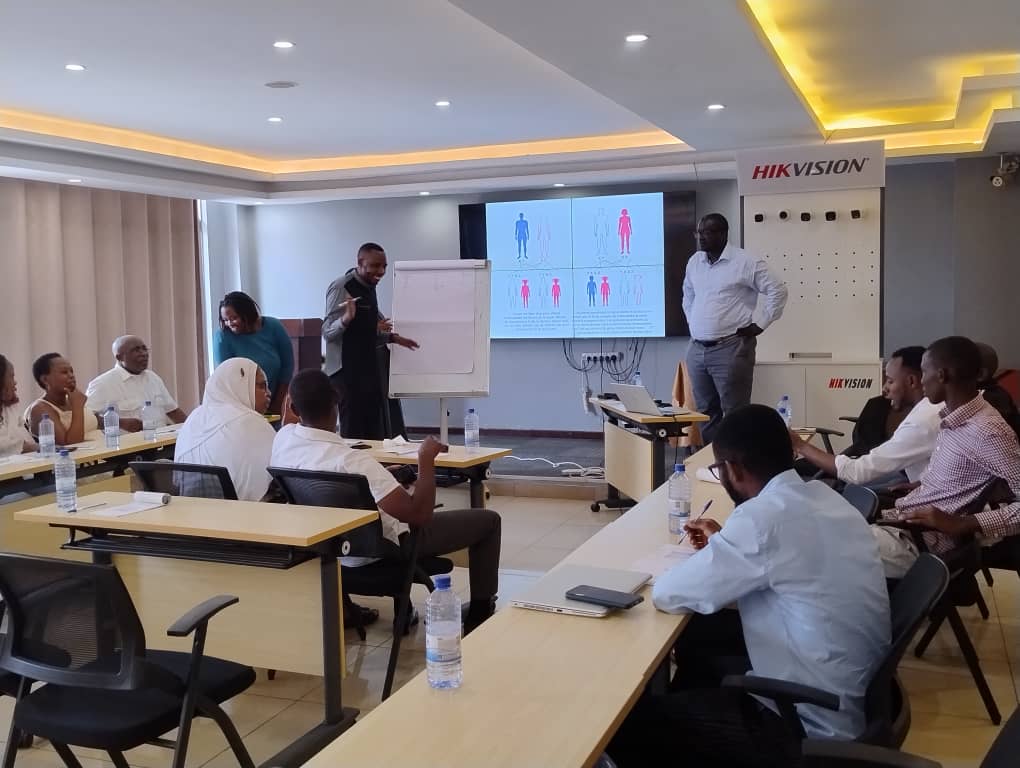
Throughout the training session, participants were guided through comprehensive presentations and interactive workshops led by expert clinicians and genetic counselors. Topics covered included the basics of hemophilia, the importance of early diagnosis and intervention, and strategies for managing the condition effectively. A highlight of the training was the session on utilizing the family tree as a tool for identifying potential new patients with hemophilia. Participants learned how to construct a family tree, identify patterns of inheritance, and recognize individuals who may be at risk of having undiagnosed hemophilia. Through hands-on activities and case studies, participants gained practical skills they could apply in their own families and communities.
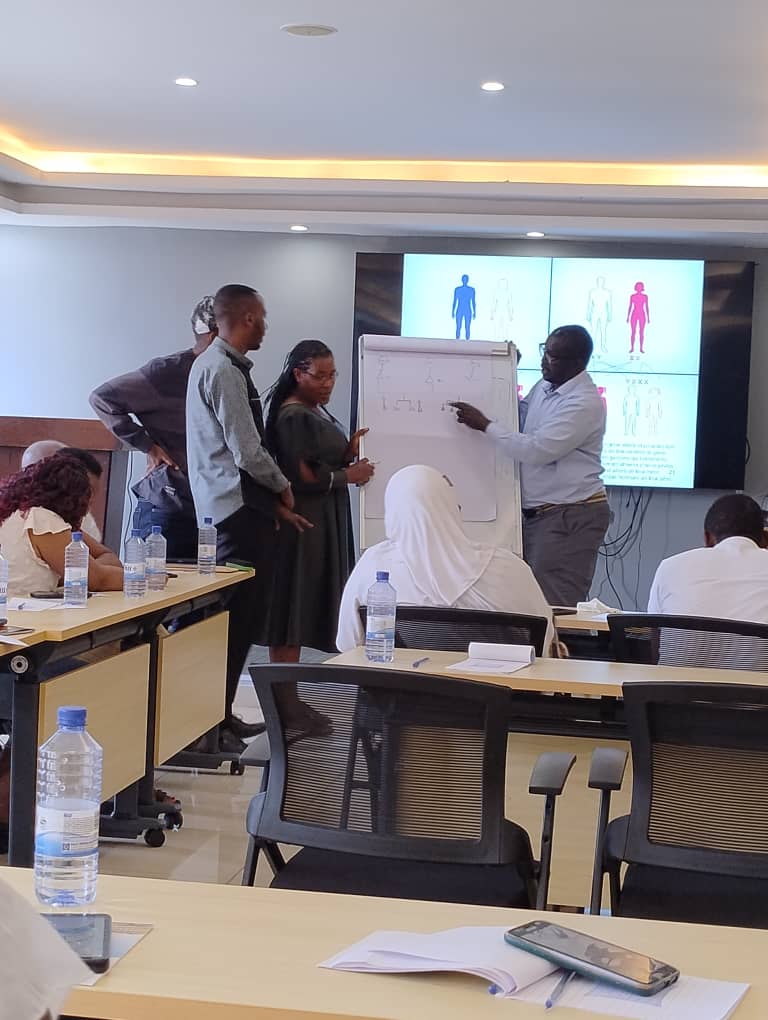
This RFH training session proved to be a valuable opportunity for parents and patients affected by hemophilia to deepen their understanding of the condition and acquire practical skills for identifying new cases within their families. By empowering participants with knowledge and tools such as the family tree, the training session has the potential to facilitate early diagnosis and intervention for individuals living with undiagnosed hemophilia, ultimately improving their quality of life and long-term outcomes. The success of this training underscores the importance of ongoing education and support initiatives within the hemophilia community, and the RFH looks forward to organizing similar events in the future to continue advancing hemophilia care and advocacy.