
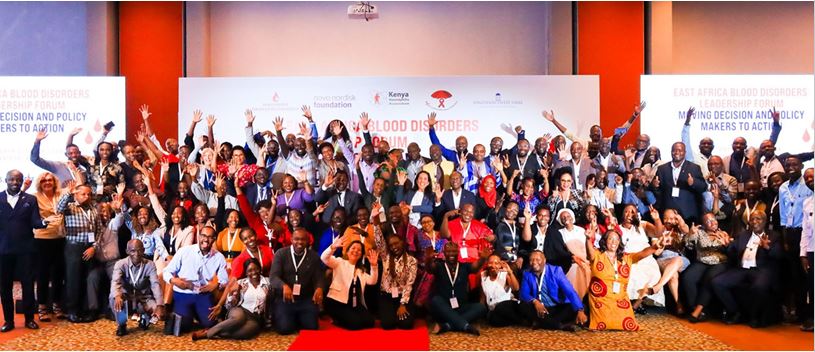
Organizations such as the Novo Nordisk Foundation and the Novo Nordisk Haemophilia Foundation, alongside government-led initiatives, have played a pivotal role in enhancing awareness and resources. In light of these developments, Novo Nordisk Haemophilia Foundation, Novo Nordisk Foundation, Kenya Haemophilia Association, Sickle Cell Federation of Kenya, and Foundation Pierre Fabre organised the East Africa Blood Disorders Leadership Forum on 28th and 29th October 2024 at Mercure Hotel, Upper Hill, Nairobi, Kenya.
The Forum brought together thought leaders, patient organizations, government representatives, and patients in a collaborative platform aimed at advocating for improved care and support for those affected by blood disorders, drawing on collective experiences and fostering innovative solutions for the region’s healthcare landscape.
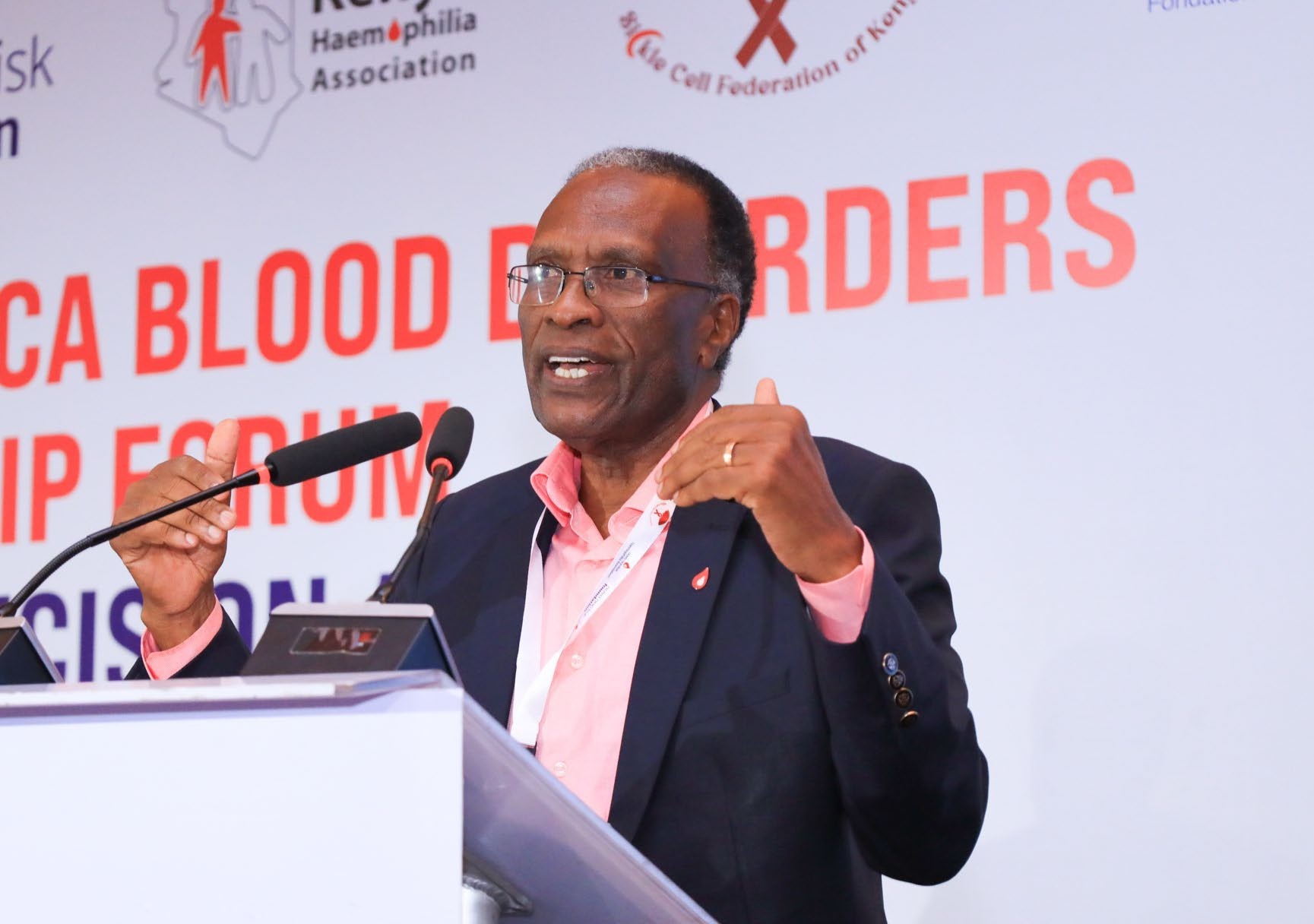
In his opening remarks, Prof Njoroge emphasized the importance of engagement and collaboration, urging participants to interact and work together towards a common goal. He mentioned the significance of practising and competing to improve skills. He called upon participants to engage with one another by sharing knowledge.
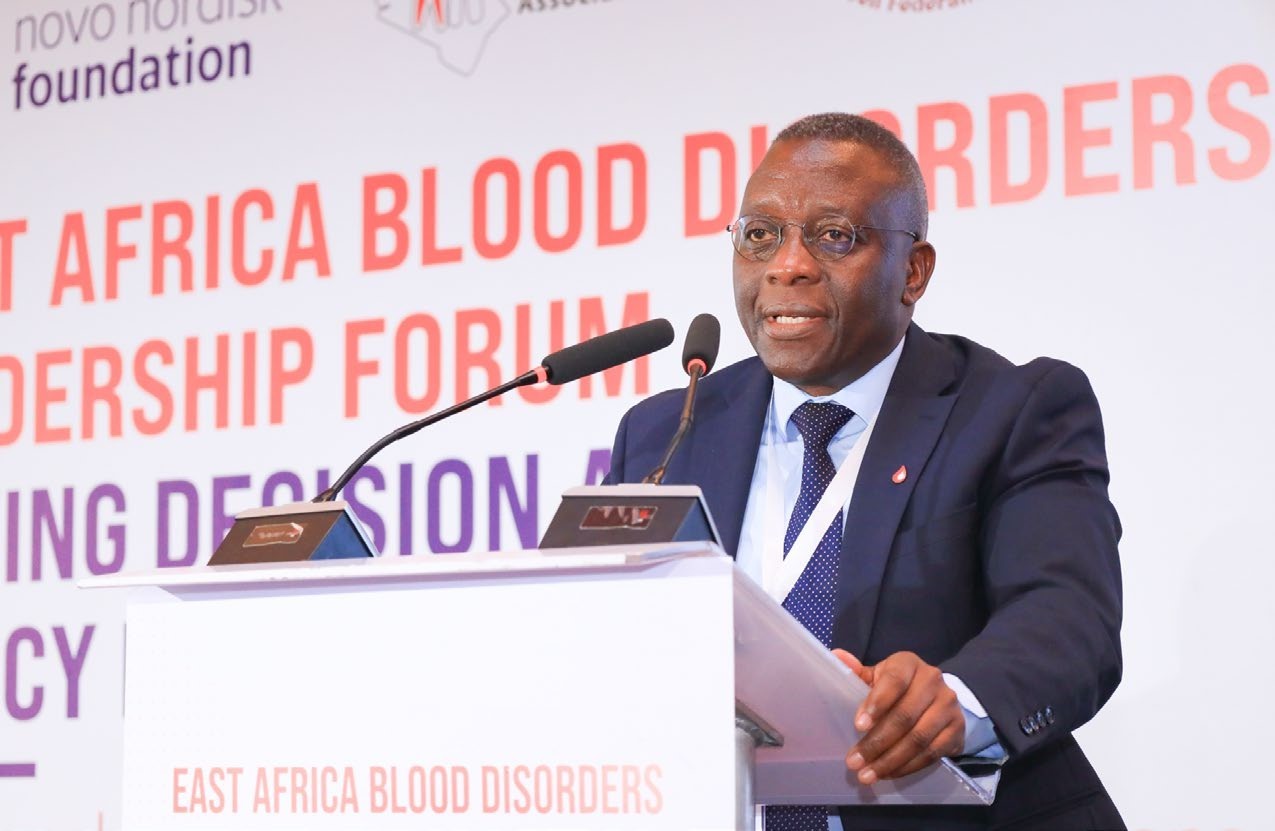
Prof Mahlangu highlighted the importance of partnerships and collaborations in achieving goals, viewing the forum as an opportunity to strengthen these alliances for the benefit of individuals living with blood disorders and their communities.
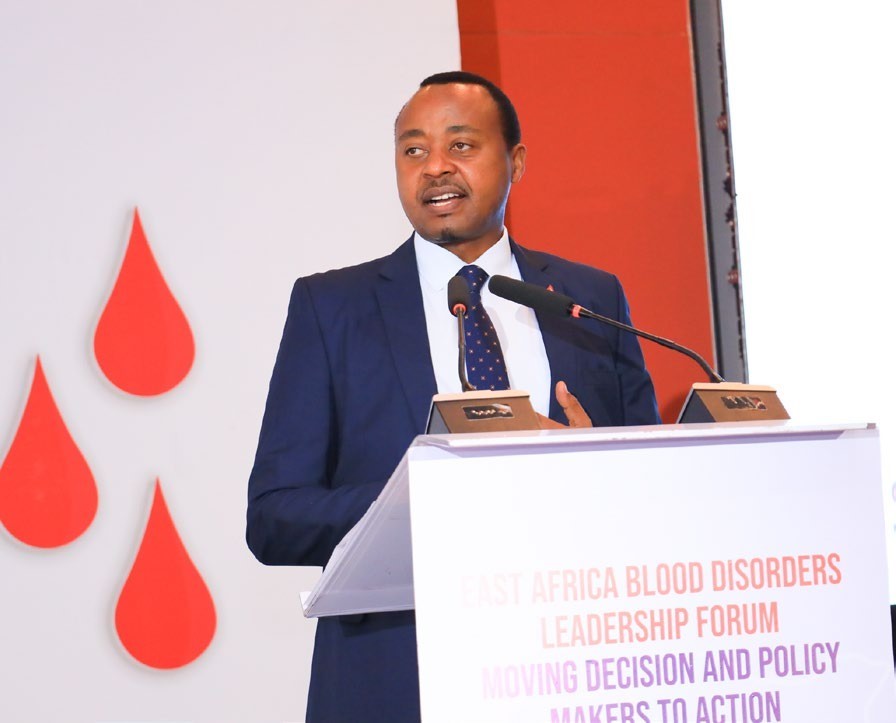
Mr Njau, representing, Vinay Ransiwal, the Vice President and General Manager, Middle Africa, Novo Nordisk, emphasised the importance of collaboration, knowledge exchange and leveraging expertise to make a significant impact on Africa’s health outcomes. He highlighted the progress and goals of ICARE initiative in Sub-Saharan Africa, focusing on joint accountability, access and empowerment.
In a presentation, Dr Osati highlighted the urgent need to improve diagnosis, treatment, and support for individuals with Bleeding and Blood disorders (BBDs) in East Africa. He noted that many patients remain undiagnosed due to limited healthcare access, low awareness, and scarce resources. He insisted that addressing these issues involves enhancing healthcare infrastructure, training more professionals in BBD care, and ensuring a consistent supply of essential medicines and blood products across the region.
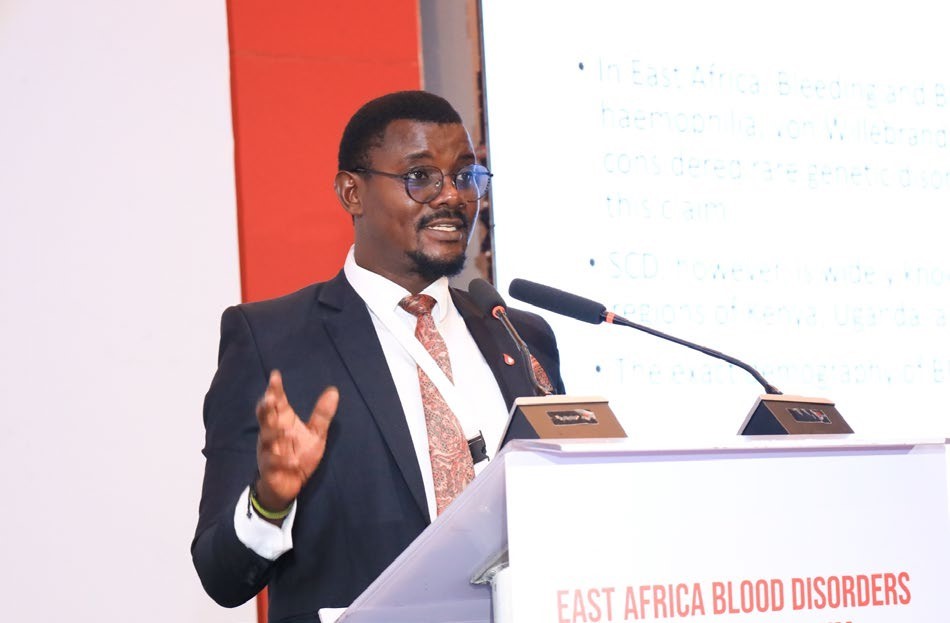
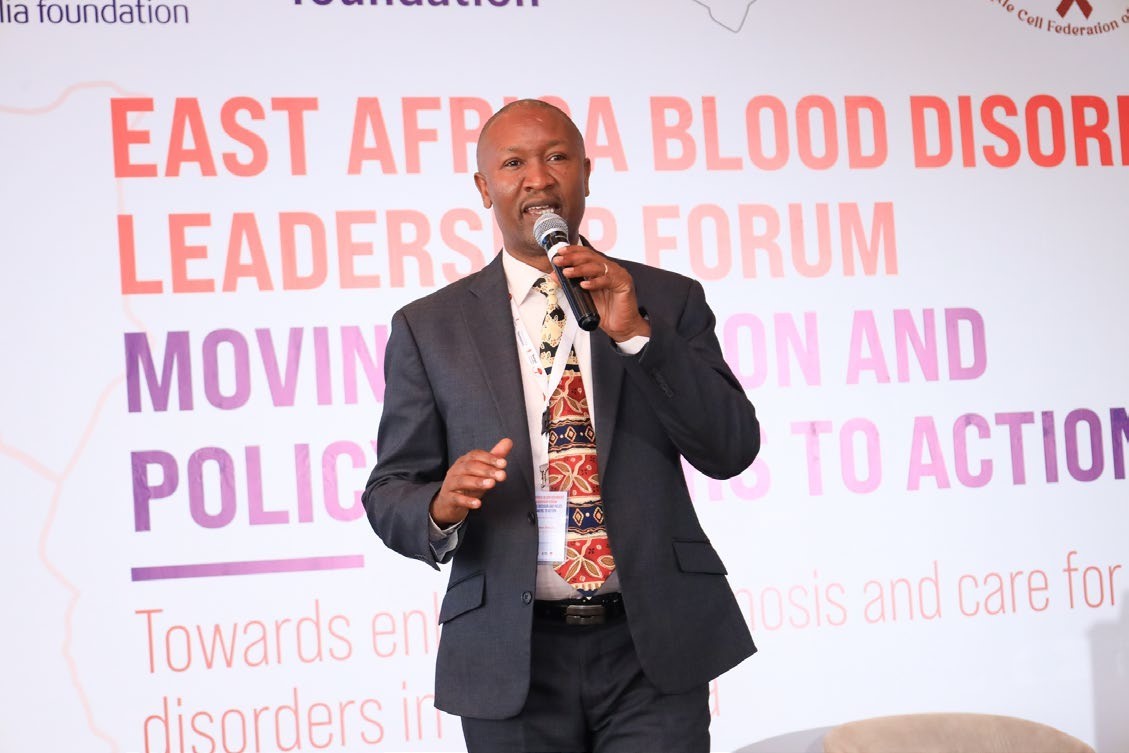
Dr Kibet emphasised the need for regional ministries to unite around a common goal, highlighting the value of sharing successful strategies between countries for replication. Given limited resources, he stressed the importance of pooling resources and adopting efficient methods to maximise impact. Additionally, Dr Shikuku pointed out the critical role of data in informing government policies and resource allocation, even if the reported numbers appear low.
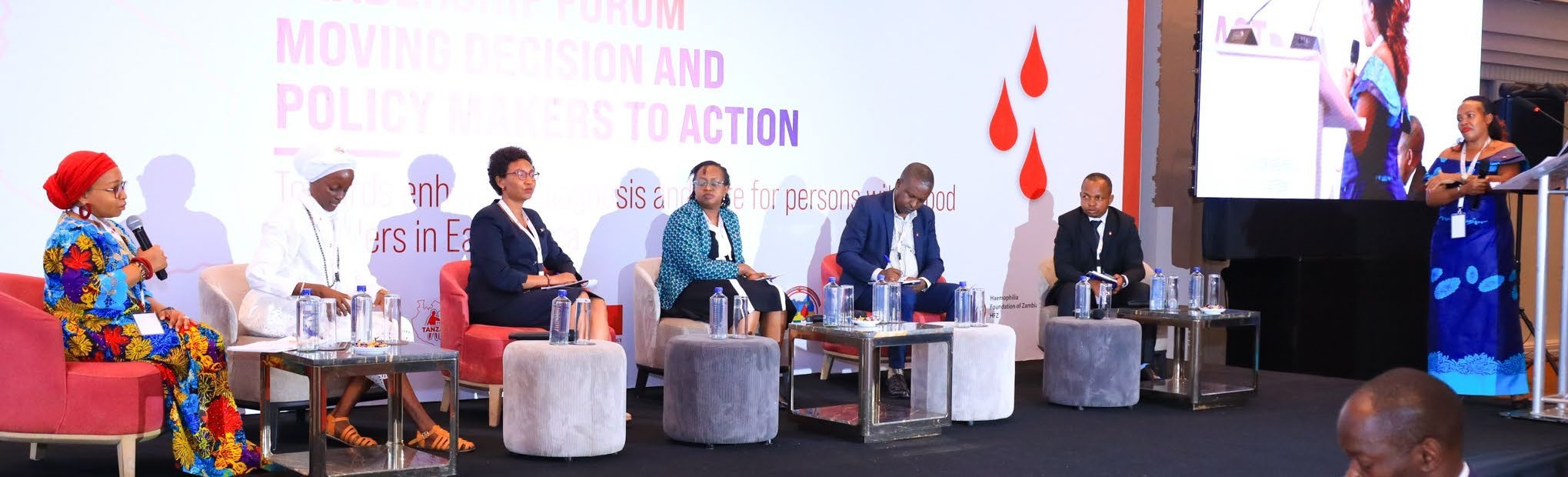
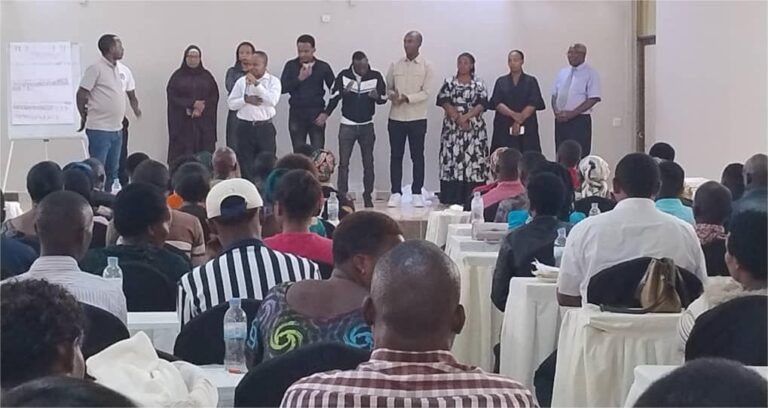
During on Pressing Challenges Patient Advocacy Groups Face And Strategies For Advocacy And Awareness In Blood Disorders, Arafa Said, Founder, Sickle Cell Disease Patient Community of Tanzania; Dr Caroline Mayengo Damian, Director Public -Private Health Services, Ministry of Health, Tanzania; James Ndahayo, Vice President, Rwanda Fraternity Against Haemophilia; Leah Kilenga, Founder, Africa Sickle Cell Organisation; Dr Evaliste Ntaganda, Division Manager, Non-Communicable Diseases Rwanda Biomedical Centre (RBC); Dr Gladwell Gatheca, Ministry of Health, Kenya and moderated by Kisakye Agnes, Executive Secretary, Haemophilia Foundation of Uganda (HFU)
Good movie
Thank you