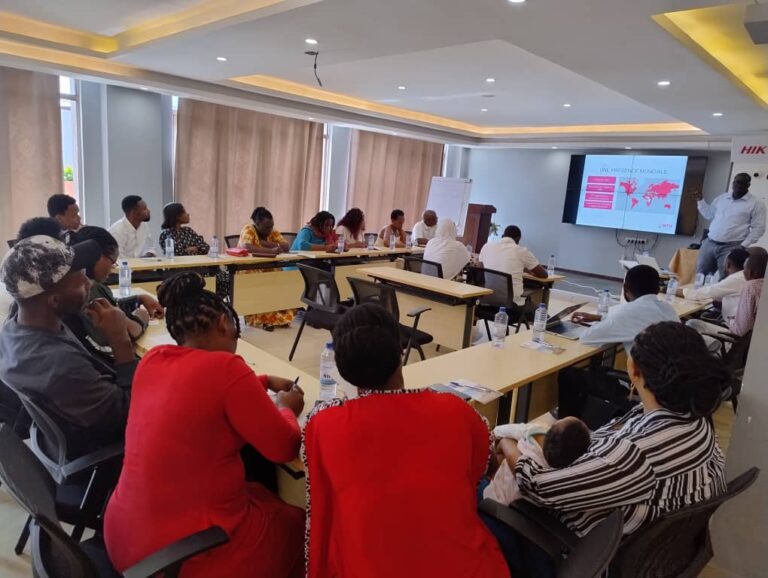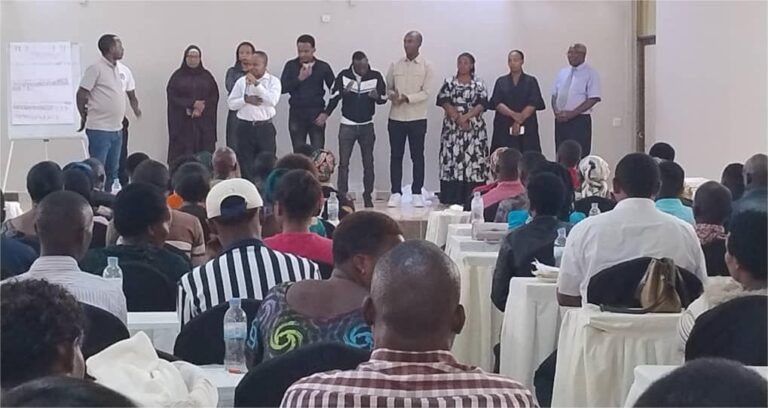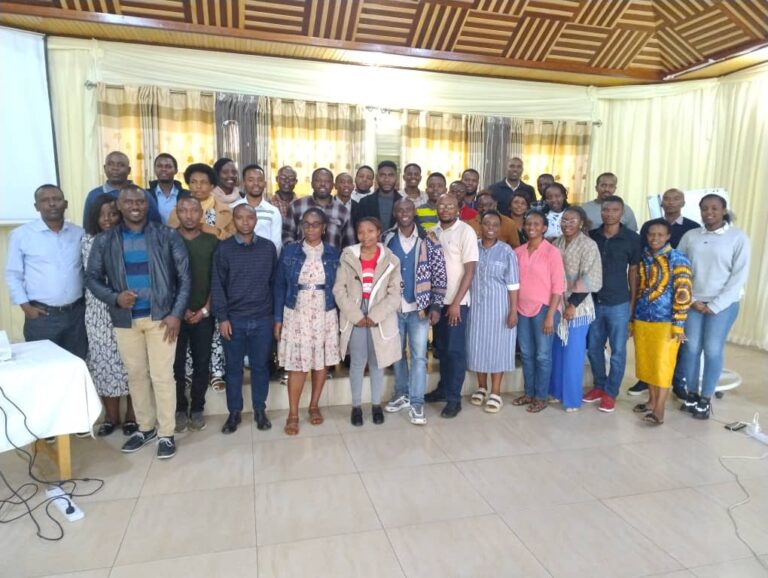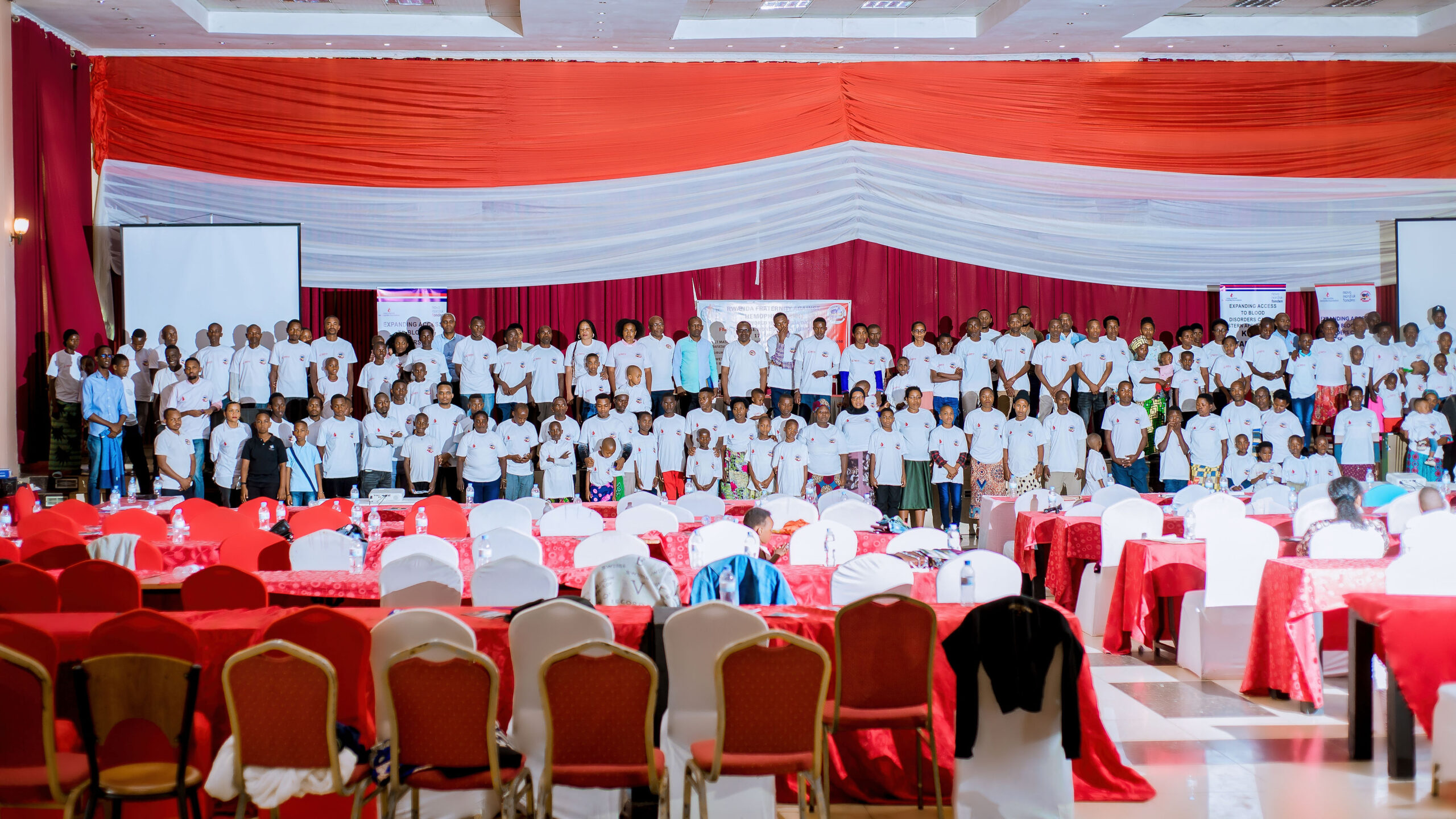
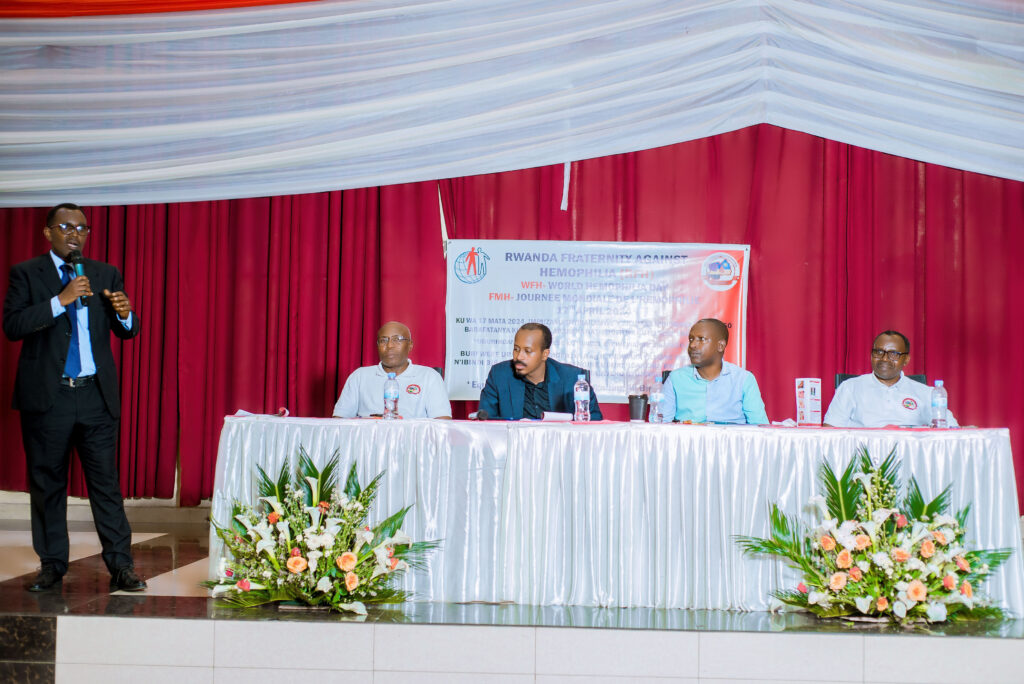
Members of the Rwanda Fraternity Against Hemophilia have issued a fresh call, urging everyone, especially parents, to become more aware of the deadly hemophilia disease and to seek early medical diagnosis and treatment.
Hemophilia is a disorder characterized by abnormal blood clotting, leading to excessive bleeding, both externally and internally, following any injury or damage.
Amos Nsengiyumva, 28, a hemophilia survivor since birth, shared his journey of coping with the disease.
“I have lived with hemophilia since I was 5 years old. It started with a small tumor on my leg, and my parents were unable to determine the cause. Playing with other children often resulted in immediate bleeding episodes. After a visit to King Faisal Hospital in 2007, I was finally diagnosed with hemophilia through blood tests conducted in France,” Nsengiyumva recounted.

The costs of coagulation factors, medicines that enhance blood clotting, coupled with prolonged absences from school, have been significant challenges for Nsengiyumva.
“A single bottle of medicine cost Rwf1.8 million, making this disease extremely burdensome. I often missed school for weeks due to bleeding episodes,” he stated, emphasizing the potential long-term impact of hemophilia.
In response to the challenges faced by hemophilia survivors, the Rwanda Fraternity Against Hemophilia was established in 2014. This association focuses on raising awareness about the disease, ensuring the availability of medications through external funding, and providing counseling to survivors who often experience traumatic events.
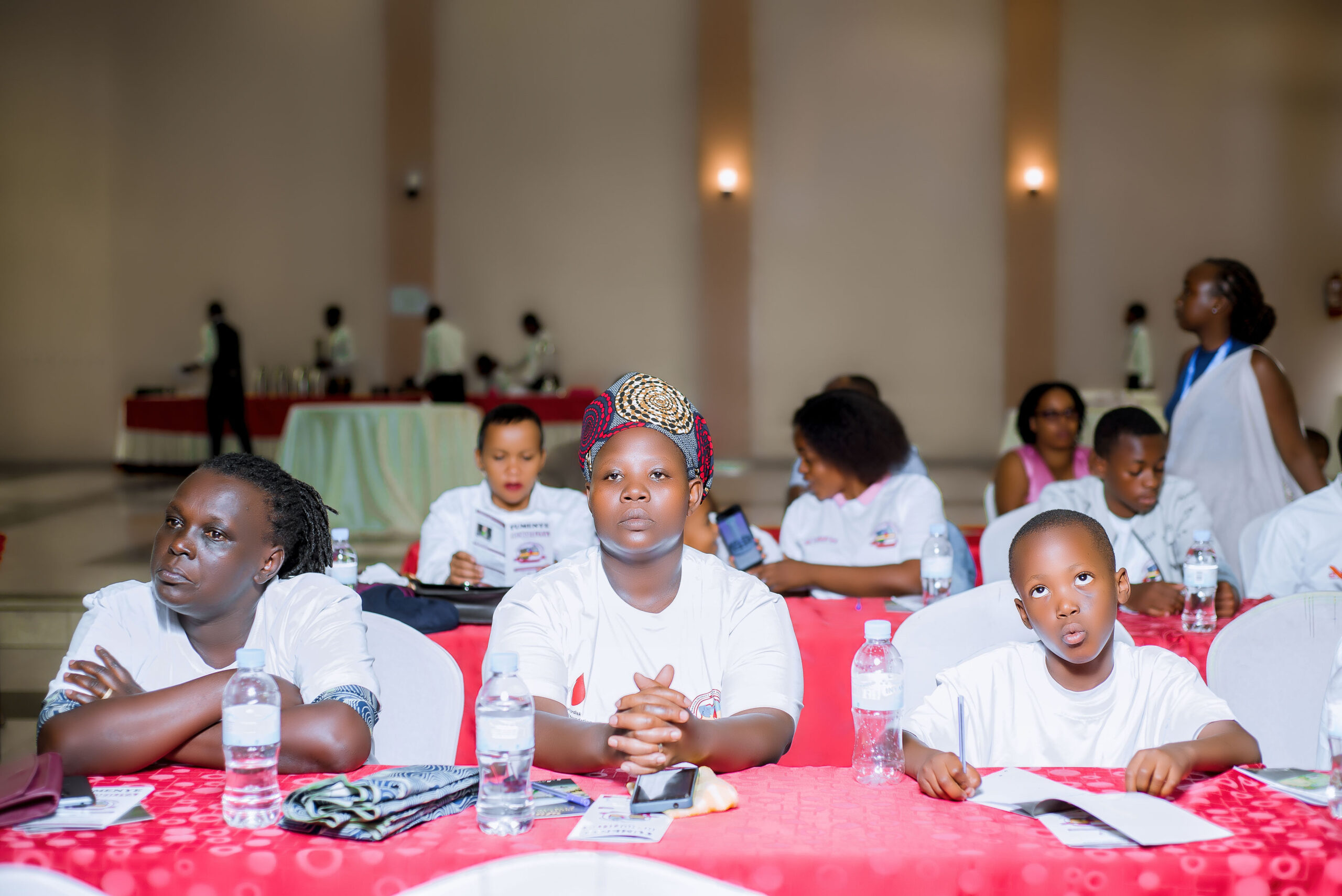
Clémentine Mujawimana, a mother of five, shared her struggle in obtaining medication for her hemophilia-surviving sons.
“It was challenging to diagnose the disease in my firstborn, who experienced frequent bleeding episodes since birth. The lack of awareness and support made the situation even more difficult,” Mujawimana expressed.
Sylvestre Murindabyuma, Acting President of Rwanda Fraternity Against Hemophilia and a father of a hemophilia survivor, highlighted the association’s efforts to increase awareness and advocate for better access to diagnosis and treatment.
“We faced challenges in diagnosing the disease and accessing affordable treatment, but with increased awareness and advocacy, progress has been made,” Murindabyuma stated.
Dr. Evariste Ntaganda from Rwanda Biomedical Center (RBC) emphasized the importance of early diagnosis and treatment of hemophilia. “Thanks to the efforts of organizations like Rwanda Fraternity Against Hemophilia, awareness about hemophilia has increased, leading to better outcomes for patients,” Dr. Ntaganda mentioned.
Currently, Rwanda has 90 to 100 registered hemophilia survivors, with ongoing efforts to identify and support others affected by the disease. RBC continues to train healthcare professionals at various levels to improve hemophilia diagnosis and treatment across the country.
RFH has made remarkable progress in advocating for the hemophilia cause with the support of WFH and Novo Nordisk, particularly on occasions like World Hemophilia Day, alongside other initiatives aimed at enhancing hemophilia care overall.